

Owning a Beach-Area Home in Point Pleasant Beach NJ: 2026 Annual Cost Checklist
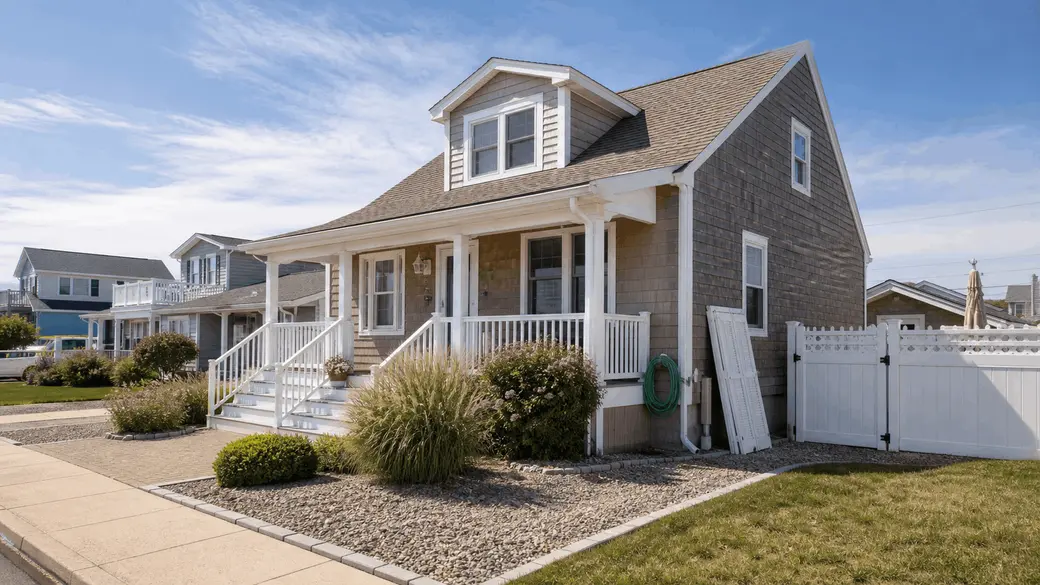
Owning a Beach-Area Home in Point Pleasant Beach NJ: 2026 Annual Cost Checklist
The realistic annual cost of a Point Pleasant Beach home is more than the mortgage and property-tax bill. A useful 2026 budget also includes homeowners and flood insurance, water and sewer, exterior upkeep, salt-air wear, seasonal services, permits, and a repair reserve. Because flood exposure, elevation, age, condition, and intended use vary by address, the safest approach is to price each category before you make an offer.
This checklist is designed for buyers comparing primary homes, second homes, and occasional-use properties in Point Pleasant Beach. It avoids a misleading townwide cost estimate and shows you which documents and quotes to collect for the actual property.
1. Start with the purchase price—but separate cash flow from ownership cost
Your mortgage payment may include principal, interest, taxes, and insurance, but that does not make it a complete ownership budget. First, list the cash needed to close: down payment, lender charges, title and attorney expenses, inspections, prepaid taxes or insurance, and any immediate repairs. Then build a separate twelve-month operating plan.
For current listing context, use the home search and compare similar houses by condition, location, parking, flood information, and proximity to the beach or water—not price per square foot alone. The established Point Pleasant Beach market update can provide a market snapshot, but every fast-changing statistic should be confirmed when you are ready to act.
2. Verify property taxes and assessments for the exact parcel
Do not estimate taxes from a neighboring home or from a prior owner’s circumstances. Confirm the assessment, tax record, billing status, and any known added assessment for the individual parcel. The Point Pleasant Beach Tax Assessor explains that assessments are tied to the full and fair value of each property and provides local guidance on assessment questions.
Ask whether recent construction, an addition, a major renovation, or a change in property classification could affect future bills. If the home is part of a condominium or association, keep taxes and association charges on separate lines so one does not disappear inside the other.
3. Obtain homeowners and flood quotes before you set your ceiling
Insurance can materially change the monthly cost of a beach-area property. Request quotes based on the exact address, building characteristics, occupancy, replacement cost, claims information, and your intended use. Compare premiums and deductibles together; a lower premium may shift more risk to you.
The New Jersey Department of Banking and Insurance states that homeowners policies exclude flood damage. Flood coverage is separate. Review the parcel through the FEMA Map Service Center, request any available elevation certificate, and have a qualified insurance professional interpret the documents.
Point Pleasant Beach’s official flood and storm information says the borough is on a barrier island and identifies local floodplain resources. The page also explains the municipality’s Community Rating System participation. Confirm current eligibility and pricing directly with the insurer rather than assuming a general discount will produce a particular premium.
- Homeowners policy premium and deductible
- Flood policy premium, building coverage, contents coverage, and deductible
- Wind or hurricane deductible and exclusions
- Umbrella coverage if recommended for your situation
- Vacancy, seasonal-use, rental, or second-home conditions
4. Add water, sewer, electric, gas, internet, and municipal services
Request twelve months of utility history when available, then adjust for your household size and expected occupancy. A home used every weekend may have a different pattern from a year-round residence, but it still needs temperature control, moisture management, security, and basic service when vacant.
The borough’s Water and Sewer Utility publishes billing information and contact details. Verify whether any balance, meter issue, service-line work, or special charge applies to the property. Add electricity, gas or other heating fuel, internet, security monitoring, trash-related private services if any, and backup-power maintenance where relevant.
5. Budget for salt-air and exterior maintenance
Coastal exposure can shorten maintenance cycles. The right reserve depends on materials and condition, so inspect before assigning a number. Common budget lines include roof and flashing review, exterior paint or stain, siding and trim, window and door seals, decks and railings, fencing, outdoor equipment, HVAC coils, drainage, sump systems, landscaping, pest service, and corrosion control.
For a house near the water, add any dock, lift, piling, bulkhead, or shoreline work as separate items. For a condo, read the budget, reserve study, recent meeting minutes, insurance information, and assessment history. An association fee may cover certain exterior items, but it does not eliminate the possibility of future assessments.
A practical approach is to create two reserves: a predictable annual maintenance line and a larger capital-repair reserve. This makes it easier to compare a recently updated home with an older property that has a lower asking price but more near-term work.
6. Include seasonal occupancy and storm preparation
If the property will be vacant for part of the year, plan for winterization or freeze protection, periodic inspections, security, leak detection, humidity control, mail handling, landscaping, and storm preparation. Ask your insurer which vacancy or occupancy conditions apply and document the procedures you intend to follow.
Do not treat shutters, raised utilities, a sump pump, or an elevation certificate as a guarantee against loss. They are pieces of a larger risk-management plan. Review evacuation information, keep an inventory of improvements and belongings, and understand who will secure the property when you are away.
7. Price permits and intended-use rules before closing
A future renovation, pool, deck, generator, fence, rental plan, or change to the lower level may require municipal review. Start with the Point Pleasant Beach Building Department and confirm requirements for the exact project. Floodplain rules may affect the scope and cost of work, especially for substantial improvements.
If rental income is part of your plan, verify current registration, inspection, licensing, occupancy, and minimum-stay requirements directly with the borough before including revenue in your affordability calculation. Regulations can change, and a prior owner’s use does not establish your future rights. Never rely on projected rent to make the purchase affordable until your attorney, lender, insurer, tax professional, and municipality have reviewed the plan.
8. Build a one-page annual ownership worksheet
Use the same categories for every home so your comparison stays consistent:
- Annual mortgage principal and interest
- Property taxes and known assessments
- Homeowners, flood, and other applicable insurance
- Water, sewer, electricity, heating, internet, and monitoring
- Association, marina, parking, or beach-related charges that actually apply
- Routine cleaning, landscaping, pest, and seasonal services
- Exterior and coastal maintenance
- Capital reserve for roof, HVAC, windows, drainage, dock, bulkhead, or major systems
- Travel, furnishings, and professional management if applicable
Next to every line, mark the source: official record, seller document, inspection finding, contractor estimate, insurer quote, or your own conservative allowance. Unknowns should remain visible. A blank cell is not zero.
How to compare Point Pleasant Beach with another Shore town
Keep the financial worksheet separate from lifestyle preferences. One buyer may accept more maintenance for closer beach access, while another prioritizes a larger lot, quieter seasonal rhythm, or easier year-round logistics. If you are still deciding between locations, read the Manasquan vs. Point Pleasant Beach buyer comparison and learn how Kyle approaches local searches.
Frequently asked questions
How much does it cost each year to own a home in Point Pleasant Beach?
There is no responsible townwide answer. The total depends on purchase financing, taxes, insurance, flood exposure, elevation, age, condition, utilities, occupancy, association obligations, and maintenance. Build the total from property-specific records and quotes.
Is flood insurance included in homeowners insurance?
No. New Jersey’s insurance department states that homeowners policies exclude flood damage. Ask a qualified professional about separate flood coverage and lender requirements for the exact address.
Should I use the seller’s insurance premium in my budget?
Use it only as background. Your coverage, occupancy, deductibles, lender, insurer, and underwriting may differ. Obtain your own quote.
What costs are easy for second-home buyers to miss?
Vacancy monitoring, storm preparation, winterization, security, humidity control, additional travel, furnishings, cleaning, landscaping, and insurance conditions are often overlooked.
Can I assume I will be allowed to rent the property?
No. Confirm current municipal, association, lender, insurance, tax, and legal requirements before relying on rental income.
Get a property-specific Point Pleasant Beach cost checklist
Call or text Kyle Pelech at 732-996-7872 and tell me your budget and intended use. I’ll help you compare current Point Pleasant Beach options against a realistic annual ownership checklist. You can also contact Kyle here.
Categories
Recent Posts





Featured Listings
Representing a Bespoke Collection of Austin’s Finest Properties.


REVIEWS