

How I Helped a Wall Township Buyer Win Without Being the Highest Offer (2026)

Why the Highest Offer Doesn't Always Win
Every buyer walks into a multiple-offer situation assuming the highest number wins. It's an easy assumption to make — and it's wrong more often than people think. Sellers aren't just looking at the top line. They're looking at certainty: will this deal actually close, on time, without drama? A slightly lower offer with a clean structure, a strong lender, and a buyer who's easy to work with regularly beats a higher number that comes wrapped in contingencies and question marks.
I've put buyers into homes here on the Jersey Shore without them writing the top offer on the table. It's not a trick. It's understanding what a seller is actually weighing when two or three offers land in the same afternoon.
A Recent Example
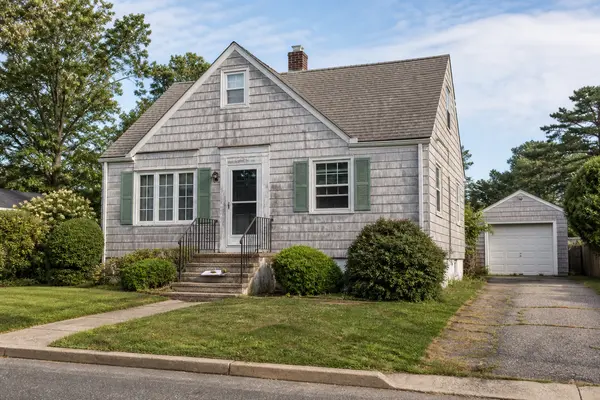
One of the situations I like to point to involved a Jersey Shore buyer competing against multiple offers on a home they'd fallen in love with. Rather than simply stretching the price as high as it could go, we built an offer around the things that actually reduce a seller's risk: a firm, verified pre-approval, a shortened inspection contingency, and a closing timeline built around what the seller needed, not just what was convenient for us. The seller's agent later told us the numbers were close between the top two offers — but ours was the one they trusted to actually get to the closing table.
Five Things That Matter More Than You'd Expect
1. A Real Pre-Approval, Not a Pre-Qualification
There's a big difference between a letter that says "this buyer said they make X" and one that says "a lender has actually reviewed this buyer's income, assets, and credit and is prepared to fund this loan." Listing agents can usually tell the difference, and so can sellers once it's explained to them. Getting you in front of a strong local lender before you ever write an offer is one of the first things I do.
2. Fewer, Tighter Contingencies
Every contingency is a door the buyer can walk through to back out. Sellers know that. You don't necessarily need to waive your protections to compete — but shortening an inspection period from ten days to five, or being specific about what you will and won't ask for after inspection, signals that you're not planning to renegotiate the price a second time.
3. Appraisal Gap Coverage
In a competitive Jersey Shore market, the appraisal can come in under the contract price. Buyers who are willing to cover some or all of that gap — even a modest, capped amount — take a major risk off the seller's plate. This is a numbers conversation we have before you ever fall in love with a house, not after.
4. Flexibility on Closing Date (or a Rent-Back)
Sellers often have their own move to plan around. A buyer who can be flexible on the closing date, or who offers the seller a short rent-back period after closing, is solving a real logistical problem for that seller. That flexibility frequently matters more than an extra few thousand dollars.
5. A Clean, Professional, Responsive Offer
Listing agents remember which buyer's agents respond quickly, answer questions directly, and don't create friction. A well-organized offer packet with everything the seller's side needs up front — proof of funds, pre-approval, a clear timeline — reads as lower-risk than a messy one, even at a higher price.
How This Plays Out at the Jersey Shore in 2026
Wall Township, Point Pleasant, Brielle, and Manasquan each have their own rhythm, but the pattern holds across all four: well-priced homes in good condition are still drawing multiple offers, especially in the spring and summer months. Buyers who come in with a single lever — "we'll just offer more" — are competing with one hand tied behind their back. Buyers who understand the full picture put themselves in a much stronger position without necessarily overpaying.
If you want a sense of where pricing and inventory stand right now, I keep an updated Wall Township market update with current trends for buyers and sellers.
What I Do Differently as Your Buyer's Agent
Before you write an offer, I want you to already know: what the comparable sales actually support, what the seller's likely motivations are, what a competitive-but-not-reckless contingency structure looks like for that specific house, and how a lender views your file. That's the work that happens before the offer goes in, and it's usually the difference between winning on strategy versus winning by simply overpaying.
FAQ
Do I always have to waive my inspection to compete?
No. Shortening the timeline or narrowing what you'll ask for after inspection is usually enough. Waiving inspection entirely is a bigger decision we'd only consider with your eyes fully open to the risk.
Is an escalation clause a good idea?
Sometimes. It depends on the property, the other likely buyers, and how the listing agent has structured the offer deadline. We'll talk through whether it makes sense case by case.
What if my offer isn't the highest and I still don't get it?
It happens, and it's part of a competitive market. The goal is never to lose gracefully — it's to structure enough winning offers that you don't have to rely on being the highest bidder every time.
Does this approach cost me more in the end?
Not necessarily. In many cases it means you're not the buyer who stretched the price to its absolute limit just to win. You're winning on structure instead of on price alone.
Ready to Put Together a Winning Offer?
If you're getting ready to buy at the Jersey Shore and want a strategy that goes beyond "just offer more," call or text me at 732-996-7872. Tell me your price range and target towns and I'll send you the best current options, or we can talk through what a competitive offer should look like for a specific home you have in mind. You can also browse current listings on my search page or learn more about working with me on my Wall Township Realtor page.
Categories
Recent Posts



Featured Listings
Representing a Bespoke Collection of Austin’s Finest Properties.


REVIEWS