

Buying a Waterfront Home in Brielle NJ: 2026 Dock, Tidelands & Bulkhead Checklist
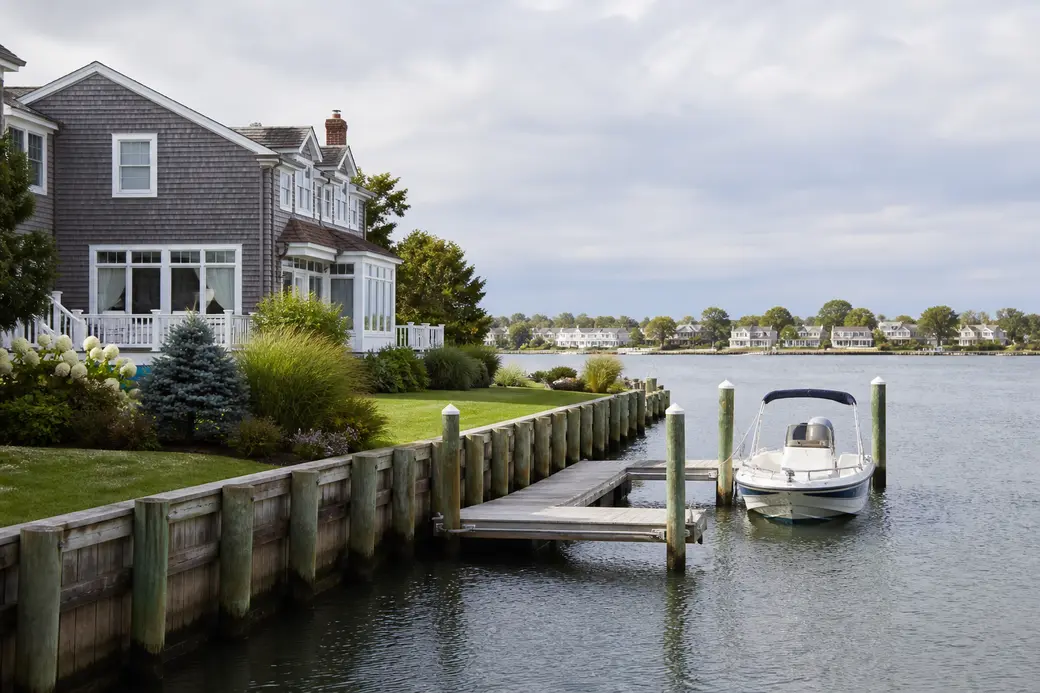
Buying a waterfront home in Brielle requires more due diligence than confirming the view and scheduling a standard home inspection. Before making an offer, verify the property’s dock rights, tidelands status, bulkhead condition, flood information, insurance, permits, title exceptions, water depth, and practical boating access.
This checklist is designed for buyers evaluating direct Manasquan River or Debbie’s Creek frontage. It also applies when a property includes a separately deeded slip, shared access, or another water-related right. Each address is different, so use the list to organize questions for your attorney, title company, surveyor, engineer, insurer, lender, municipality, and NJDEP.
If you want help narrowing the search before paying for detailed inspections, call or text Kyle Pelech at 732-996-7872. Tell Kyle your budget, boat size and draft if applicable, and whether direct frontage, a dock, a slip, or simply river proximity is the priority.
1. Define Exactly What the Listing Is Selling
“Waterfront,” “dock,” and “water access” can describe different legal and physical situations. Confirm whether the feature is:
- Located within the property boundaries
- Separately deeded or assigned
- Shared through an easement or association
- Used under a state tidelands license or lease
- A marina slip rented under a separate agreement
- A view or nearby amenity rather than an ownership right
Request the deed, current survey, title commitment, available permits, dock or marina agreements, and any recorded easements. Ask the attorney and title company to explain what transfers with the property and which obligations continue after closing.
The established Brielle waterfront homes guide covers the broader search and lifestyle intent. This page focuses specifically on transaction and ownership due diligence.
2. Check Tidelands Claims, Grants, Licenses, and Leases
New Jersey’s Tidelands program manages state-owned lands currently or formerly flowed by the mean high tide. NJDEP explains that a riparian grant is a deed conveying formerly flowed tidelands, while licenses and leases authorize certain uses of currently flowed state-owned tidelands.
The same guidance identifies fixed structures such as docks, piers, mooring piles, floating docks, boat lifts, and some bulkhead work as activities that may require a tidelands instrument. A formerly flowed claim can affect title even when the old shoreline is no longer obvious.
Ask:
- Does the title search identify a tidelands claim or existing instrument?
- Does a grant, license, lease, or Statement of No Interest apply?
- Is the instrument current, transferable, and consistent with the visible improvements?
- Are fees, renewals, assignments, or additional applications required?
- Does the survey accurately show the current shoreline and improvements?
Do not rely on a seller’s informal statement that “the dock has always been there.” Your attorney, surveyor, title company, and NJDEP should review the documents relevant to the actual parcel.
3. Verify Dock and Boat-Lift Permits
The NJDEP Land Resource Protection FAQ explains that docks, piers, or boat ramps below the mean high water line of a tidal waterway generally require Waterfront Development authorization unless a specific exemption applies. Municipal zoning or construction review may also be required.
Build a permit file that includes:
- Approved plans showing dimensions and location
- Municipal construction and zoning records
- NJDEP permits, exemptions, or general-permit documentation
- Tidelands instruments where applicable
- Records for electrical service, lifts, pilings, or later alterations
- Evidence that the existing structure matches the approved configuration
If records do not match what is visible, determine the cost, timing, and feasibility of resolving the issue before the contract contingency expires. Do not assume a nonconforming dock can be enlarged, moved, or replaced in the buyer’s preferred design.
4. Inspect the Bulkhead and Shoreline
A bulkhead is a structural and financial responsibility, not simply landscaping. NJDEP’s bulkhead guidance states that coastal bulkhead construction or reconstruction generally requires authorization and that work can involve multiple regulated areas.
Hire an appropriately qualified professional to examine visible condition and explain the limits of the inspection. Questions may include:
- What material and construction system are present?
- Is there leaning, movement, corrosion, rot, loss of backfill, sinkholes, or failed drainage?
- What is the approximate remaining service life?
- Does the structure appear to match available permits and plans?
- Is responsibility shared with a neighbor or association?
- What access, staging, dredging, engineering, and permitting issues could affect future work?
An online replacement-cost estimate is not a substitute for a property-specific evaluation and contractor pricing.
5. Confirm Flood Information by Address
Use the FEMA Flood Map Service Center to identify the current map panel and mapped flood zone for the address. Then review elevation information, building configuration, lender requirements, and insurance with the appropriate professionals.
Collect:
- Current FEMA map information
- Available elevation certificates or surveys with elevations
- Documentation of flood openings, utilities, enclosures, and improvements
- Prior claims information when available through proper channels
- Actual homeowners and flood-insurance quotes
- Wind or hurricane deductible details
Flood zones and insurance premiums are property-specific. Never promise that one premium, elevation, or mitigation feature will apply to another house.
6. Price the Insurance and Maintenance Before You Offer
Ask an insurance professional whether the proposed policy covers or excludes the dock, boat lift, bulkhead, detached structures, watercraft-related liability, seasonal occupancy, or rental use. Compare deductibles as well as premiums.
Build a reserve for ordinary waterfront exposure, including hardware corrosion, decking, pilings, electrical components, landscaping near the shoreline, drainage, moisture management, and professional inspections. Add only costs that apply to the actual property.
7. Test Practical Boating Access
A dock may not fit every boat or route. Verify:
- Water depth at the dock and along the route at relevant tides
- Boat draft and required clearance
- Bridge heights and openings
- Turning room and docking exposure
- Current, wake, shoaling, and dredging considerations
- Rules affecting lifts, moorings, winter storage, or utilities
Use qualified marine professionals and current navigation information. A listing description is not a navigation guarantee.
8. Review Taxes, Assessments, and Planned Work
The Borough of Brielle Tax Assessor can help with assessment questions, but buyers should verify the actual tax record and ask their attorney or tax professional about potential changes after a sale or improvement.
Also identify open permits, outstanding violations, special assessments, shared maintenance agreements, and proposed work. If the purchase depends on replacing a dock, lift, or bulkhead, obtain professional input before assuming the project is allowed or affordable.
9. Coordinate the Contract Timeline
Waterfront due diligence may involve more documents and professionals than a standard transaction. Discuss appropriate attorney-review, inspection, title, survey, financing, and insurance timelines before making the offer. A short deadline is not helpful if critical municipal or state records cannot be reviewed in time.
Kyle can help coordinate the real-estate side of the process, but legal, engineering, environmental, insurance, title, tax, and navigation questions belong with the appropriate specialists.
Frequently Asked Questions
What is a riparian grant in New Jersey?
NJDEP describes it as a deed from the State for the sale of formerly flowed tidelands. Whether one is relevant depends on the parcel’s shoreline history and title.
Does a dock automatically transfer with the house?
Do not assume it does. Confirm ownership, boundaries, permits, tidelands instruments, easements, marina agreements, and transfer requirements through the transaction professionals.
Can I replace a Brielle bulkhead in the same location?
The authorization path depends on the existing structure, location, proposed work, and regulated areas. Confirm municipal, NJDEP, tidelands, county, and other requirements before planning the project.
Is flood insurance always required?
Requirements depend on the property, lender, flood zone, loan, and other factors. Even when a lender does not require coverage, the buyer should still evaluate the risk with an insurance professional.
Where should I start my Brielle search?
Review the Brielle buyer guide, compare the current Brielle market update, and use the home search for current options.
Build a Waterfront Shortlist That Fits Your Boat and Budget
Call or text Kyle Pelech at 732-996-7872 and share your target price range, timing, boat requirements, and preferred type of water access. Kyle will send the best current Brielle options and help you identify the property-specific questions to raise before you make an offer. You can also contact Kyle online, learn about Kyle’s local approach, or review resources for selling a home.
This article provides general real-estate information and is not legal, engineering, environmental, title, insurance, tax, permitting, or navigation advice. Rules, documents, physical conditions, and costs vary by property. Confirm them with the appropriate licensed professionals and government agencies.
Categories
Recent Posts



Featured Listings
Representing a Bespoke Collection of Austin’s Finest Properties.


REVIEWS