
Buying Near Manasquan Station: 2026 Commuter, Parking & Flood Checklist
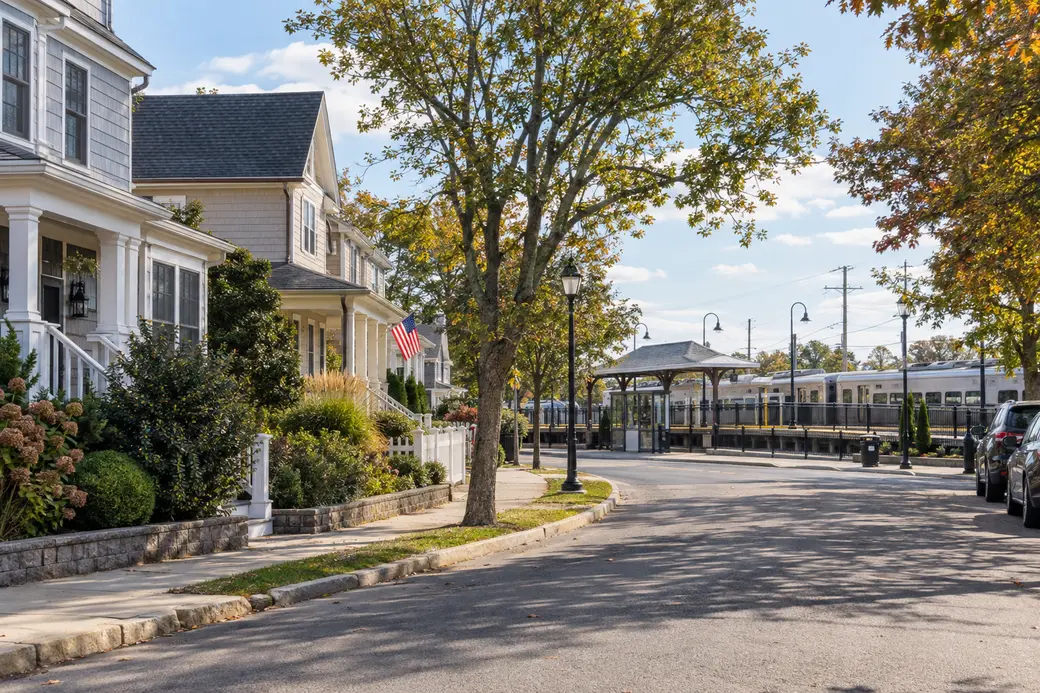
Buying near Manasquan Station can make Jersey Shore living more practical for hybrid and rail commuters—but the right home is not simply the one closest to the tracks. In 2026, buyers should compare the real walk or drive to the station, current parking rules, train noise, flood exposure, insurance, permits, and the home’s condition before deciding what “commuter-friendly” is worth to them.
Manasquan Station serves NJ TRANSIT’s North Jersey Coast Line. That gives buyers a rail option toward Newark and New York, but schedules and transfer patterns change. Start with the current Manasquan Station information and North Jersey Coast Line schedule, then test the trip you would actually make.
Build a Manasquan Home Search Around Your Real Commute
Tell Kyle your budget, home style, office days, preferred station access, and whether you plan to walk, bike, or park. He can create a focused list of current Manasquan options instead of sending every home in town. Start with the home search or call/text 732-996-7872 and ask for a commute-ready Manasquan list.
1. Test the Door-to-Platform Trip
A listing may say it is “near the train,” but that phrase does not tell you how the commute will work. Map the route from the front door to the correct platform. Look at sidewalk continuity, street crossings, lighting, bike storage, and the distance you would cover in rain or winter weather. If you expect to drive, arrive at the time you would normally park rather than judging the lot on a quiet weekend.
NJ TRANSIT’s station page currently lists parking at Main Street and Union Avenue and on Virginia Avenue, with three lots, bike racks, and no overnight parking. The page lists parking as free, but rules, capacity, and operating details can change. Verify the current information before making a purchase decision.
Also check the full commute rather than only the scheduled ride. Include the trip to the station, wait time, possible Long Branch service patterns, transfers, the final connection from your destination station, and the return trip if you work late. A practical test run is more useful than a generic online estimate.
2. Evaluate Train and Crossing Activity at Different Times
Distance from the station can be a benefit, a tradeoff, or both. Some buyers value a short walk. Others care more about separation from train movements, horns, platform activity, or road delays at grade crossings. The experience can vary from one block to the next.
Visit a home during a weekday morning commute, an evening commute, and a quieter period. Stand in the yard and in the bedrooms with the windows both open and closed. Watch how local traffic moves when a train passes. This is not about deciding whether an area is “good” or “bad”; it is about deciding whether that specific property fits your routine and sensitivity.
3. Check Flood Risk by Address, Not by Assumption
Manasquan is a coastal borough with multiple sources of flood exposure. The borough explains that coastal water can rise along the Atlantic Ocean, Manasquan River, and local tributaries, while heavy rain can also overwhelm drainage in low-lying areas. A home does not have to sit directly on the water to deserve a flood review.
For every serious candidate, check the borough’s Know Your Flood Hazard resources and New Jersey’s Flood Risk Notification Tool. Request any available elevation certificate, review the seller’s disclosure, ask about prior water entry and drainage work, and obtain a property-specific insurance quote during due diligence.
New Jersey law requires sellers to disclose specified known and potential flood-risk information before a buyer becomes obligated under a purchase contract. That disclosure is important, but it does not replace independent mapping, inspections, insurance review, or legal advice.
4. Review Permits Before You Pay for “Updated”
Manasquan buyers encounter older homes, renovations, additions, finished lower levels, decks, garages, and raised mechanical systems. Attractive work should be supported by the right records. Compare what you see with the property’s permit history, tax records, survey, and municipal file.
The Manasquan Construction Department handles construction permits and inspections. Ask whether major work was properly permitted and closed. If flood-zone rules apply, confirm that any elevation documents, floodplain approvals, or use restrictions are consistent with the property’s current condition. Your attorney, inspector, surveyor, and insurance professional should address issues within their specialties.
If you are considering a home that needs work, also read Kyle’s Manasquan permit, certificate, and flood-disclosure checklist. It is written for sellers, but it shows buyers which records can affect a future transaction.
5. Price the Whole Monthly and Annual Picture
Do not compare two homes using purchase price alone. A station-area home with a shorter walk may need different renovations, insurance coverage, or sound improvements than another property farther away. Estimate:
- Mortgage principal and interest
- Property taxes
- Homeowners and, when appropriate, flood insurance
- Immediate repairs and near-term capital projects
- Train fares and station-access costs
- Parking or transportation at the destination
- Seasonal maintenance and storm preparation
A slightly higher-priced home may still make sense if it reduces commuting friction or near-term repairs. A lower-priced home can be the better choice when it offers more flexibility and the due-diligence numbers remain manageable. The goal is to compare real ownership plans, not listing headlines.
Thinking About Selling Near Manasquan Station?
Rail access may matter to part of the buyer pool, but it should be presented honestly alongside the property’s condition, exact location, flood information, parking, and permit history. Kyle can review recent comparable sales and current competing listings to develop a realistic selling-price range. Request a private home-value review or call/text 732-996-7872.
6. Use a Property-Specific Showing Checklist
Bring the same checklist to every showing so attractive finishes do not distract from practical questions. Confirm the route to the station, listen for rail activity, look for drainage patterns, note the elevation of mechanical systems, inspect basements and crawlspaces carefully, and ask what improvements were completed.
For broader town context, compare this guide with Kyle’s 2026 Manasquan real-estate guide. The broader guide helps with town-level planning; this page is focused on the specific search intent of buyers who want rail access.
Frequently Asked Questions
Does Manasquan have an NJ TRANSIT train station?
Yes. Manasquan Station is on NJ TRANSIT’s North Jersey Coast Line. Check NJ TRANSIT for the current schedule, service alerts, parking information, and ticketing details.
Can I commute directly from Manasquan to New York?
Some service patterns may require a transfer, and schedules change. Review the current North Jersey Coast Line timetable for the days and times you expect to travel. Test the complete trip before treating rail access as a deciding factor.
Is parking available at Manasquan Station?
NJ TRANSIT’s current station page lists three parking lots, free parking, bike racks, and no overnight parking. Capacity and rules can change, so verify them and visit at your normal commute time.
Do I need flood insurance to buy in Manasquan?
That depends on the property, flood mapping, lender requirements, and your risk tolerance. Obtain an address-specific flood determination and insurance quote. Standard homeowners insurance generally does not cover flood damage.
How close should I live to the train?
There is no universal answer. Compare the actual walk or drive, parking, noise, crossing activity, home condition, and total ownership cost. Visit each candidate at the times you would normally commute.
Tour Manasquan Homes That Fit Your Commute
See a Manasquan property you want to evaluate? Call/text Kyle at 732-996-7872. He will confirm its current status, arrange a showing, and identify comparable homes with the station access, property type, and price range you want. You can also send your requirements here or learn more about Kyle’s local real-estate approach.
This guide provides general real-estate information, not legal, tax, engineering, insurance, flood, or transit advice. Rules, schedules, maps, and property conditions can change; verify current information with the appropriate agency and qualified professionals.
Categories
Recent Posts




Featured Listings
Representing a Bespoke Collection of Austin’s Finest Properties.


REVIEWS