

Buying a Fixer-Upper in Point Pleasant NJ: 2026 Permit, Flood & Renovation Checklist
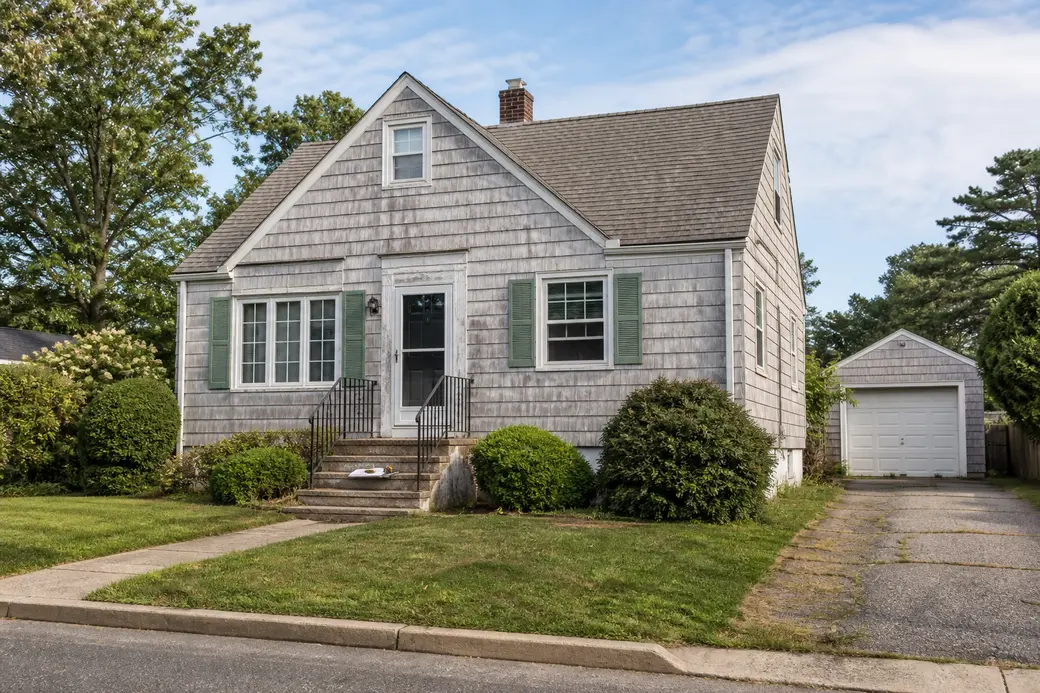
A fixer-upper in Point Pleasant Borough can be a smart purchase only when the planned renovation is feasible at that address and the total project fits your budget. Before you make an offer, separate cosmetic work from structural and mechanical work, review the property’s permit history, confirm zoning and flood considerations, and obtain realistic contractor and insurance input. The purchase price is only the first number.
Thinking about buying a Point Pleasant home that needs work? Call or text Kyle Pelech at 732-996-7872. Tell me your price range and renovation comfort level, and I’ll send the best current Point Pleasant options that match both.
Start With the Correct Point Pleasant Municipality
This guide is about Point Pleasant Borough, not Point Pleasant Beach. They are separate Ocean County municipalities with different departments, records, zoning rules, flood considerations, and property searches. Confirm the municipality on the tax record before relying on any permit form, zoning map, resale requirement, or comparable sale.
You can begin by browsing Point Pleasant homes for sale and the broader Jersey Shore home search. When a potential fixer appears, evaluate the exact parcel rather than making assumptions from the street or neighborhood.
Define What “Fixer-Upper” Means for This House
Two homes can both look dated while carrying very different risks. One may need paint, flooring, appliances, and landscaping. Another may require roof work, electrical upgrades, plumbing replacement, drainage correction, structural repair, or a redesigned layout. Those categories affect cost, timing, financing, permits, and whether the home can be occupied during construction.
Organize the work into four groups:
- Cosmetic: paint, flooring, fixtures, cabinets, counters, and finishes.
- Major systems: roof, heating and cooling, electrical service, plumbing, sewer connection, windows, and insulation.
- Structural or layout: foundations, load-bearing walls, additions, dormers, stairways, and changes to doors or windows.
- Site and water: grading, drainage, driveways, sheds, decks, pools, bulkheads, and flood-related improvements.
A general home inspection is important, but it is not a construction estimate or zoning opinion. If a major issue appears likely, use the inspection period to bring in the appropriate licensed contractor, engineer, electrician, plumber, roofer, environmental professional, surveyor, or insurance adviser.
Build the Renovation Budget Backward
Do not decide what you can pay for the house and then hope the remaining cash covers the work. Start with your maximum comfortable all-in number and subtract the renovation budget, financing costs, design and permit expenses, temporary housing if needed, and a contingency for concealed conditions. The remainder helps define the purchase-price ceiling.
Ask contractors to separate must-do repairs from optional improvements. A dated kitchen can often wait; an active leak or unsafe electrical condition may not. Compare the proposed work with your financing terms because some loan programs and lenders restrict property condition, contractor draws, or post-closing repairs. Your lender should review the specific property and scope before you rely on a renovation loan.
Confirm Zoning Before You Assume the Project Is Possible
If the plan includes an addition, dormer, deck, shed, pool, generator, fence, driveway change, or different use of space, confirm the rules before closing. The Point Pleasant Borough Building, Code Enforcement and Zoning Department explains that common prior approvals may include zoning, floodplain management, and engineering. The department also notes that it issues permits to construct, enlarge, alter, renovate, remove, or repair structures.
Bring the municipality an accurate project description and the best available survey. Ask about setbacks, lot coverage, height, parking, drainage, existing nonconformities, and any required board approval. A contractor’s statement that a project “should be fine” is not municipal approval. Do not value a property as though an addition or second-floor expansion is guaranteed until the correct officials and professionals have reviewed the address-specific facts.
The Borough’s current forms and applications page includes construction, zoning, grading, drainage, pool, demolition, and home-elevation materials. Requirements can change, so use the page as a starting point and confirm the current process directly.
Review Permit and Approval History
Permit history can help you understand whether additions, decks, finished spaces, equipment replacements, or major renovations were documented. Point Pleasant Borough provides parcel and permit access through its local portal and states that building-permit records before 1993 require an OPRA request. If the visible house does not match the survey, tax record, listing description, or available permits, investigate before treating that space as legal or fully approved.
A missing record does not tell you why it is missing, and an old permit does not necessarily prove that every final inspection occurred. Ask the municipal office what records are available and have your attorney advise you on unresolved items. Do not conceal or minimize unpermitted work.
The New Jersey Department of Community Affairs provides current construction-permit forms. Let the local office determine what applies.
Treat Flood and Insurance Review as Address-Specific
Point Pleasant includes properties with different elevations, water proximity, drainage conditions, and mapped flood characteristics. Do not assume an inland-looking home has no flood concern, and do not assume every property near water carries the same requirement or premium.
Review the exact address through the municipal flood resources and the FEMA Map Service Center. Request any available elevation certificate, survey, claim information, or flood documentation. Then obtain homeowners and flood-insurance quotes based on the property’s real characteristics and your planned work. Renovations can affect code, elevation, coverage, and lender questions, so discuss the intended scope rather than quoting the house only in its current condition.
New Jersey’s Flood Risk Notification Law requires sellers to provide specified flood-risk information before a purchaser becomes obligated under a contract. The disclosure is useful, but it does not replace independent map, insurance, inspection, and professional review.
Use the Inspection Period to Price Uncertainty
A useful fixer-upper inspection is a coordinated investigation, not a single checklist. Start with a qualified home inspector and add specialists where the age, condition, or proposed renovation justifies them. Pay close attention to:
- Foundation movement, moisture, crawlspace or basement conditions, and drainage.
- Roof age, flashing, sheathing, gutters, and evidence of prior leaks.
- Electrical panel capacity, service size, wiring types, and planned appliance loads.
- Water supply, drainage, sewer scope where appropriate, and abandoned components.
- Heating, cooling, ventilation, insulation, and signs of unsafe combustion or moisture.
- Windows, siding, trim, decks, detached structures, and exterior grading.
- Materials or conditions that may require environmental or lead-related review.
Ask specialists for written findings and the assumptions behind estimates. Carry a contingency for concealed conditions.
Make the Offer Match the Property’s Risk
Your offer strategy should reflect the home’s condition, competition, financing, and the information available before bidding. A strong offer does not have to ignore due diligence. The right approach may include a carefully structured inspection provision, access for contractors, review of municipal records, survey questions, insurance confirmation, or attorney-recommended language.
Coordinate with your attorney, lender, and inspectors before waiving protections. If a critical assumption cannot be verified, price that uncertainty honestly or choose a different property.
For town-wide context, review the established Point Pleasant real estate market update. A market overview can explain competition, but the fixer-upper decision still turns on the individual house and project.
Point Pleasant Fixer-Upper Checklist Before You Commit
- Verify that the property is in Point Pleasant Borough, not Point Pleasant Beach.
- Obtain the survey, seller disclosure, permit history, and available flood documents.
- Separate cosmetic, system, structural, and site work.
- Ask the Borough about zoning, floodplain, engineering, and construction approvals.
- Get specialist opinions and realistic written scopes where needed.
- Confirm financing, insurance, and occupancy requirements.
- Budget for design, permits, temporary housing, and a contingency.
- Have your attorney review material approval or documentation concerns.
- Compare the all-in project with suitable finished homes—not only the asking price.
Frequently Asked Questions
Do I need a permit to renovate a Point Pleasant home?
It depends on the work. Ordinary maintenance, minor work, and full-permit projects are treated differently. Contact the Point Pleasant Borough construction and zoning offices with the exact scope before starting.
Can I confirm an addition or dormer before buying?
You can investigate feasibility, but approval is address- and plan-specific. A survey, zoning review, building-code review, floodplain considerations, and possibly board or engineering approvals may affect the answer.
How do I check old permits?
Start with the Borough’s parcel and permit resources. The Borough states that building permits before 1993 require an OPRA request. Ask whether final inspections or certificates are available for work that matters to your purchase.
Should I buy a fixer-upper without contractor estimates?
That adds risk. At minimum, obtain informed scopes for major suspected items and carry a contingency. Visible condition alone may not reveal electrical, plumbing, structural, drainage, or concealed moisture costs.
Is a fixer-upper always cheaper than a renovated home?
No. Compare purchase price, repairs, permits, financing, carrying costs, temporary housing, contingency, and the finished property’s likely value. A lower price can be offset by a larger or slower project.
Get a Custom List of Point Pleasant Homes With Renovation Potential
Call or text Kyle Pelech at 732-996-7872. Tell me your price range and how much renovation you are willing to take on, and I’ll send the best current Point Pleasant options that fit those limits.
You can also learn how Kyle works with Jersey Shore buyers or request a private home-search consultation.
This article provides general real-estate information, not legal, engineering, construction, insurance, or financial advice. Confirm property-specific requirements with the appropriate licensed professionals and municipal officials.
Categories
Recent Posts




Featured Listings
Representing a Bespoke Collection of Austin’s Finest Properties.


REVIEWS