

Buying a Home in Glendola, Wall Township NJ: 2026 Lot, Drainage & Permit Checklist
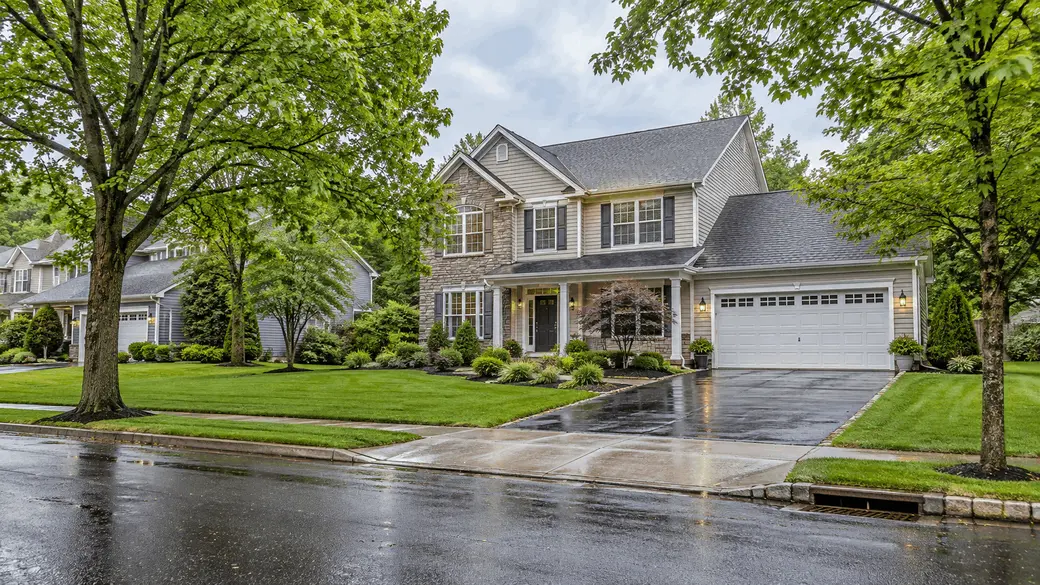
Buying a home in Glendola, Wall Township, NJ, requires more than comparing bedrooms and finishes. The best purchase is the home whose lot, drainage, permit history, systems, and location fit the way you plan to live. Because Glendola is part of Wall Township—not a separate municipality—buyers should verify every property through Wall Township records and evaluate flood and water concerns at the address level.
This 2026 guide gives you a simple due-diligence plan for touring and comparing Glendola homes. It is designed to complement the broader Wall Township market update, while focusing on the property details that can change the true cost and usefulness of a home.
Get a Glendola Home List Built Around Your Priorities
Tell Kyle your price range, preferred home style, timing, commute, and must-have lot features. He will create a custom list of current Glendola and Wall Township options so you can compare suitable homes instead of scrolling through everything. Start your home search or call/text 732-996-7872.
1. Confirm the Property Is in Glendola—and Use Wall Township Records
Neighborhood names can be useful for searching, but public records control the legal details. Confirm the municipality, tax block and lot, property description, and mailing information before relying on an online listing. Review the home’s public record alongside the survey, seller disclosure, and what you see during the showing.
A tax assessment is not a current market-value estimate. For an offer decision, compare the property with relevant recent sales and current competition, then adjust for condition, lot utility, permitted improvements, road position, and major systems. Two homes with similar square footage can carry very different ownership costs when one has better drainage, newer mechanicals, or complete permit documentation.
2. Evaluate the Lot as Carefully as the House
A larger-looking lot is not automatically more usable. Walk the property and review the survey to understand boundaries, easements, setbacks, slopes, retaining walls, drainage paths, tree coverage, and where additions or outdoor improvements might realistically fit. Ask where water travels during heavy rain and look for low areas, soil washout, standing water, basement or crawlspace moisture, and fresh repairs that deserve an explanation.
If your plans include a pool, detached garage, addition, deck, shed, fence, generator, wider driveway, or new walkway, do not assume the available lawn equals buildable space. Wall Township’s Land Use Office says residents planning many interior or exterior renovations should begin with a residential zoning permit application. The township may require additional review depending on the project and property.
Before closing, bring the current survey and a clear description of your intended project to the appropriate municipal office. Ask about zoning, setbacks, lot coverage, grading, drainage, easements, and any board or engineering review. A contractor’s informal opinion is not municipal approval.
3. Make Drainage and Flood Review Address-Specific
Do not treat “inland” as a substitute for due diligence. Wall Township publishes flood-hazard information and current FEMA map references, including a map panel for the Glendola Reservoir and Rockefeller Estates area. That does not mean every Glendola property has the same exposure. It means buyers should check the exact parcel instead of relying on a neighborhood-wide assumption.
Use the township’s flood-hazard resources and the NJDEP Flood Risk Notification Tool as starting points. Request the seller’s flood disclosure and any available elevation certificate, survey, drainage plans, water-intrusion history, prior claims, or mitigation records. Then ask an insurance professional for quotes based on the actual address and your intended use of the home.
A mapped flood zone is only one part of the water-risk review. Grading, roof runoff, gutters, downspouts, sump equipment, foundation condition, nearby low points, and storm-drain performance can also affect a property. A qualified inspector or engineer can help investigate warning signs that an online map cannot show.
4. Match Improvements to Permits and Final Inspections
Finished basements, converted garages, additions, decks, pools, generators, electrical upgrades, plumbing work, and heating or cooling replacements may affect value and safety. Ask which improvements were completed, when they were done, and which permits or final inspections are available.
Wall Township’s Building Department enforces the New Jersey Uniform Construction Code and oversees construction, alteration, renovation, rehabilitation, occupancy, and use. Your attorney and inspector can help identify records or approvals that should be reviewed during the contract period.
Do not assume a finished area is legal living space or that an extra room qualifies as a bedroom because it appears that way in marketing. Compare the listing, tax record, survey, permit file, and physical condition. If the records do not align, investigate before assigning value to the improvement.
Thinking About Selling a Glendola Home?
Buyers notice documentation. A clean file with the survey, permits, final inspections, system ages, repair invoices, and accurate disclosure information can make the property easier to evaluate. Kyle can review nearby comparable sales and current competition to outline a realistic selling-price range. Request a private home-value review or call/text 732-996-7872.
5. Inspect the Major Systems and Budget Beyond the Mortgage
Build an ownership budget for the specific home, not an average Glendola house. Include property taxes, homeowners and any applicable flood insurance, utilities, landscaping, tree care, pest control, snow removal, and a repair reserve. Add likely near-term projects after the inspection.
During due diligence, pay close attention to:
- roof age, flashing, gutters, downspouts, and signs of past leaks;
- foundation, basement or crawlspace moisture, sump equipment, and grading;
- electrical service, panel condition, wiring concerns, and capacity for planned upgrades;
- heating, cooling, ventilation, water heater, and fuel source;
- water supply, sewer or septic information as applicable to the property;
- windows, siding, exterior trim, decks, patios, driveways, and retaining walls;
- large trees near the house, driveway, utility lines, or proposed project areas.
A general home inspection is the starting point, not a guarantee. Bring in the appropriate licensed specialist when the property’s age, condition, or your renovation plans justify it. Ask for written findings and realistic estimates rather than relying on verbal guesses.
6. Test the Location During Your Real Routine
A home can feel different at 8 a.m., after school, during evening traffic, or following heavy rain. Drive the routes you would actually use to work, shopping, beaches, major roads, and nearby towns. Listen for road noise at different times and confirm how the driveway functions when traffic is heavier.
Evaluate internet and cellular service if you work from home. Confirm school assignments directly with the district rather than relying on a listing portal, because attendance information can change and nearby homes may not share the same assignment. Keep the decision focused on your household’s practical needs and property-specific facts.
7. Use One Scorecard for Every Glendola Showing
A simple scorecard prevents attractive finishes from hiding expensive trade-offs. Rate each property using the same categories:
- price and likely monthly payment;
- property taxes and insurance quotes;
- lot usability, privacy, grading, and drainage;
- roof, mechanicals, electrical, plumbing, and foundation;
- permit and final-inspection documentation;
- renovation feasibility and estimated cost;
- commute, road position, parking, and daily convenience;
- resale strengths and property-specific drawbacks.
After each tour, separate “must fix,” “would like to change,” and “acceptable as is.” Then compare the all-in cost and risk—not just the asking price.
Frequently Asked Questions About Buying in Glendola
Is Glendola a separate municipality?
No. Glendola is a recognized area within Wall Township. Municipal zoning, construction, tax, and flood questions should be checked through Wall Township and the appropriate state or federal resources.
Should I check flood risk for an inland Glendola home?
Yes. Review the exact address using current official tools and obtain property-specific insurance guidance. Also inspect grading and drainage, because water problems are not limited to homes inside a mapped special flood-hazard area.
Can I add a pool, addition, or detached garage after I buy?
Possibly, but feasibility depends on the parcel, survey, zoning, setbacks, lot coverage, grading, drainage, easements, and the proposed design. Ask Wall Township to review the actual plan before you pay a premium for future potential.
How do I check whether renovations were permitted?
Ask the seller for permits and final inspections, compare the home with the public record, and contact the relevant Wall Township offices. Have your attorney and inspector review material discrepancies during the contract period.
What should I bring to a second showing?
Bring your first-showing notes, the listing, seller disclosure if available, survey if provided, a flashlight, and your property scorecard. Recheck moisture-prone areas, utilities, storage, road noise, parking, and the lot features that matter to your plans.
Tour Glendola Homes With a Clear Due-Diligence Plan
See a Glendola or Wall Township property you want to evaluate? Call/text 732-996-7872. Kyle will confirm its current status, arrange a showing, identify comparable homes nearby, and help you organize the questions to take to your attorney, inspector, lender, insurer, and municipal offices. You can also contact Kyle here or learn more about Kyle’s local real-estate approach.
This article is general real-estate information, not legal, engineering, insurance, environmental, zoning, or tax advice. Verify property-specific facts with the appropriate qualified professionals and government offices.
Categories
Recent Posts




Featured Listings
Representing a Bespoke Collection of Austin’s Finest Properties.


REVIEWS