

Buying Near the Point Pleasant Canal: 2026 Bridge, Flood & Property Checklist
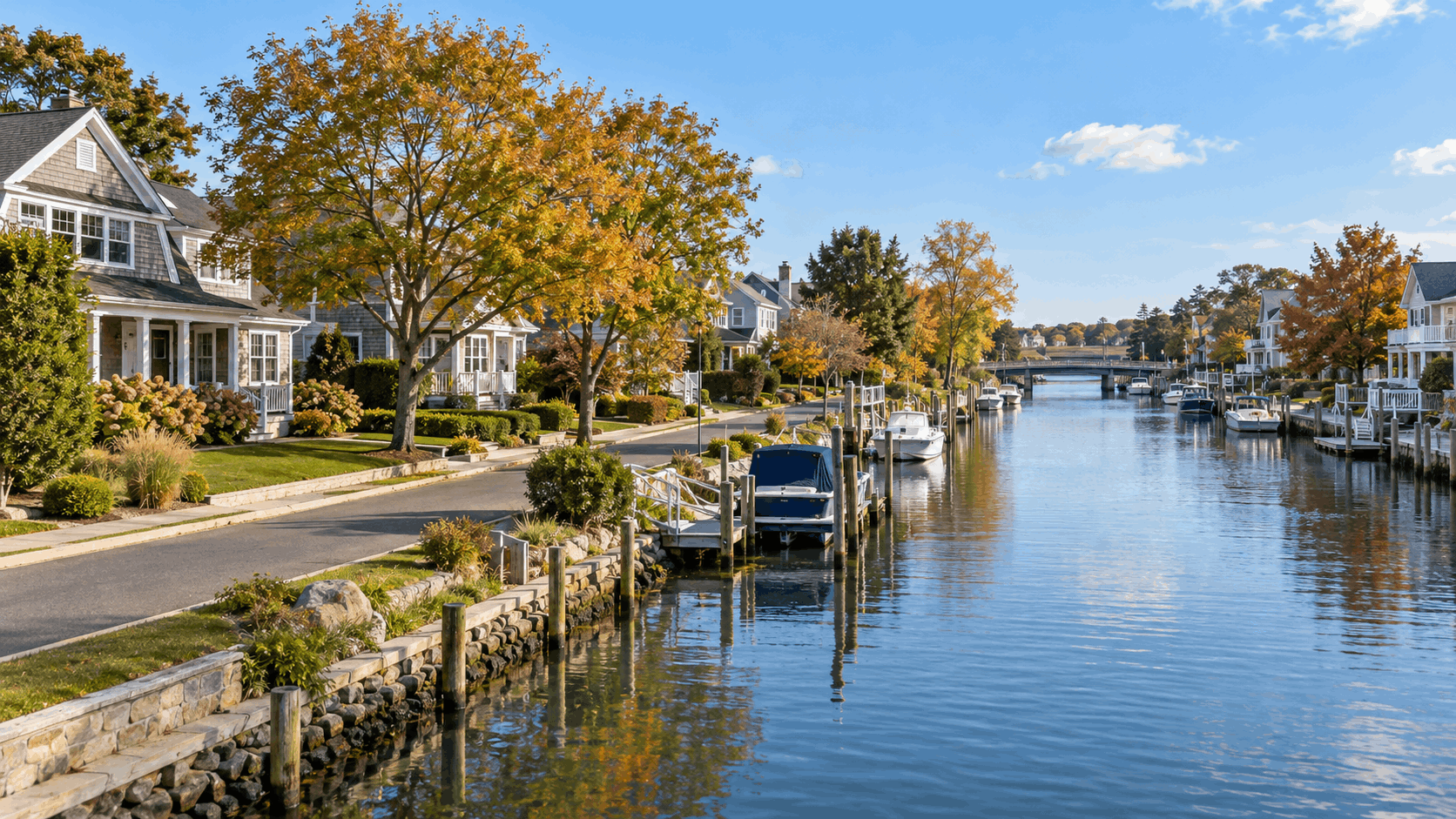 Buying near the Point Pleasant Canal can give you convenient access to Point Pleasant, nearby Shore towns, and—depending on the property—water-oriented living. The smart move is to evaluate more than the house itself. Before you make an offer, confirm the exact municipality, test the routes you will actually use, review parcel-specific flood information, and investigate permits, drainage, and waterfront improvements when applicable.
This 2026 checklist helps buyers compare homes near the canal without confusing Point Pleasant Borough with Point Pleasant Beach or assuming two nearby properties have the same risks, costs, or commute.
See Point Pleasant Homes That Fit Your Daily Routine
Tell Kyle your price range, preferred home style, timing, and the routes you expect to drive most often. He will build a custom list of current Point Pleasant options and help you compare the practical details—not just the listing photos. Browse current homes or call/text 732-996-7872 with your wish list.
1. Confirm the Municipality and the Exact Parcel
“Point Pleasant” and “Point Pleasant Beach” are separate municipalities. A mailing address, neighborhood description, or proximity to the canal does not replace checking the tax record and municipal jurisdiction. That distinction can affect permits, services, floodplain contacts, and the records you need during due diligence.
Ask your attorney, title company, and agent to verify the block and lot, legal description, municipality, and recorded easements. If the home appears to include a dock, bulkhead, shared drive, access path, or other special feature, do not assume it is included or permitted simply because it is visible.
2. Test the Routes You Will Actually Use
A home can look close to work, school, shopping, or the beach on a map while feeling very different at the times you normally travel. Canal crossings, seasonal traffic, roadwork, and bridge activity can affect a route. Before making a final decision, drive your expected morning, evening, and weekend routes at realistic times.
- Test at least two ways to and from the property.
- Check access to Route 35, Route 88, and the local destinations important to you.
- Consider how guests, deliveries, and emergency access would reach the home.
- Review current municipal and transportation advisories instead of relying on an old schedule or a seller’s estimate.
Commute times are personal and change with conditions, so treat any online estimate as a starting point—not a guarantee.
3. Review Flood Information Address by Address
Being near water does not mean every property has the same flood designation, elevation, insurance requirement, or drainage history. Start with current FEMA mapping and the New Jersey Department of Environmental Protection flood-disclosure resources, then confirm details for the specific parcel with the municipality, your lender, insurer, attorney, and qualified professionals.
Request the seller’s completed property-condition disclosure, available elevation documentation, permits for flood-related work, and information about past water intrusion or drainage repairs. Obtain insurance quotes during your review period. A quote for the exact address and proposed coverage is more useful than a neighborhood generalization.
4. Check Grading, Drainage, and the Lot After Rain
Water management matters even when a home is not directly on the canal. Look at how the lot slopes, where roof leaders discharge, whether the yard has low spots, and whether adjoining lots direct water toward the property. If possible, revisit after rain and ask a qualified inspector about visible drainage systems, foundation moisture, crawl spaces, and sump equipment.
Point Pleasant Borough publishes applications, permits, and grading or drainage information. Municipal guidance is useful, but it is not a substitute for a property-specific inspection or engineering advice when conditions warrant it.
5. Pull Permits Before You Fall in Love With the Improvements
Finished basements, raised mechanical systems, additions, decks, pools, sheds, fences, docks, and bulkhead work may require approvals. The Point Pleasant Building, Code Enforcement and Zoning Department explains that projects can involve zoning, floodplain, engineering, and construction review. The Borough also offers an online SDL portal for property and permit information.
Ask for permits and final approvals rather than assuming work was approved. Older records may require a formal records request. Your attorney and inspector can help identify which documents or follow-up questions belong in your transaction.
Preparing to Sell a Home Near the Canal?
Buyers often ask about permits, flood documentation, drainage, insurance, and waterfront systems before they focus on finishes. Kyle can help you organize the real-estate side of that story and compare your home with relevant nearby sales. Request a realistic selling-price range or call/text 732-996-7872 to schedule a private pricing review.
6. If the Property Is Waterfront, Inspect the Waterfront Systems
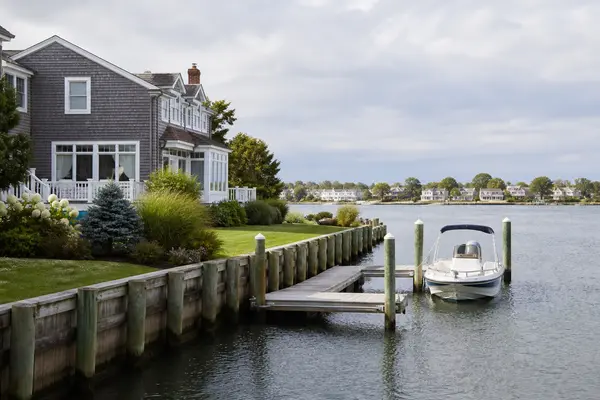
A home near the canal is not necessarily waterfront. When a property does include a bulkhead, dock, lift, riparian claim, or shared water access, treat each item as its own due-diligence category. Ask who owns and maintains it, what work has been completed, whether approvals exist, and whether any rights are shared or limited.
Use qualified professionals to evaluate condition and expected maintenance. Do not rely on the age of the house as a proxy for the age of the bulkhead or dock, and do not assume a boat shown in marketing materials proves a particular depth, clearance, or access right.
7. Build the Full Ownership Budget
Your comparison should go beyond the mortgage payment. Request quotes and estimates early enough to influence your decision.
- Homeowners and, when applicable, flood insurance
- Property taxes and utilities
- Routine exterior maintenance in a coastal environment
- Drainage, sump, crawl-space, or foundation systems
- Bulkhead, dock, lift, or shoreline maintenance when applicable
- Planned repairs identified by inspections
Compare homes on a three-to-five-year ownership view, not just purchase price. A lower-priced property can be the better value—or the more expensive choice—depending on condition, insurance, and major systems.
A Simple Scorecard for Comparing Homes
For every property, rate the following from one to five: daily-route convenience, flood and insurance clarity, drainage, permit documentation, major-system condition, outdoor maintenance, and total projected ownership cost. Add notes from your attorney, inspector, insurer, and lender. This keeps an attractive kitchen from overshadowing a more important unanswered question.
Frequently Asked Questions
Is every home near the Point Pleasant Canal in a flood zone?
No single neighborhood statement can answer that. Review current mapping and documentation for the exact parcel, and confirm insurance and lending requirements with the appropriate professionals.
Should I avoid a home that requires flood insurance?
Not automatically. The right answer depends on the property, elevation, coverage, premium, condition, purchase price, and your comfort with the risk. Get address-specific information before deciding.
How can I check permits in Point Pleasant?
Start with the Borough’s Building, Code Enforcement and Zoning resources and SDL portal. Ask the seller for permits and final approvals, and use an official records request when older information is not available online.
Does a visible dock automatically belong to the property?
No. Confirm ownership, recorded rights, permits, maintenance responsibility, and any shared-use terms through the appropriate records and professionals.
What should I do before making an offer?
Verify the parcel and municipality, test your routes, review available flood information, estimate insurance, and identify property-specific questions. Discuss offer strategy and due-diligence protections with your agent and attorney.
Tour Point Pleasant Homes With the Right Questions
See a Point Pleasant property you want to tour? Call/text 732-996-7872. Kyle will confirm its current status, arrange a showing, and identify comparable homes nearby so you can judge the property in context. You can also send Kyle your criteria or learn more about his Jersey Shore real-estate approach.
This article is general real-estate information, not legal, engineering, insurance, tax, environmental, or floodplain advice. Conditions and requirements vary by property. Consult the appropriate licensed professionals and government agencies for the home you are considering.
Categories
Recent Posts



Featured Listings
Representing a Bespoke Collection of Austin’s Finest Properties.


REVIEWS