

blog content
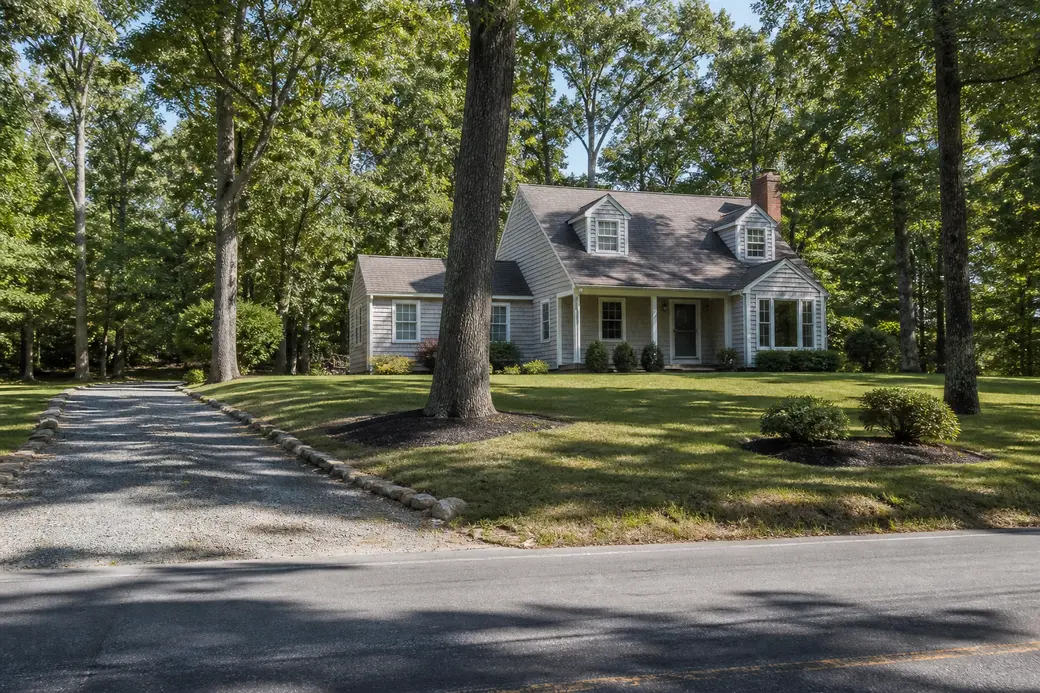
Buying a Home in Allenwood, Wall Township NJ: 2026 Septic, Well, Zoning & Lot Checklist
Buying in Allenwood requires property-by-property due diligence: verify the parcel, zoning, water source, wastewater system, flood information, permits, survey, and future-use rules before treating a wooded or larger-lot home like a standard suburban purchase. Not every Allenwood-area property has the same systems or restrictions, so the safest approach is to confirm each fact for the exact address.
This 2026 checklist is for buyers who want Allenwood’s setting within Wall Township but need a practical way to evaluate land, private utilities, improvements, and long-term ownership costs. It is not a claim that every property has a private well, septic system, flood exposure, or development potential.
1. Confirm the municipality, mailing address, block, and lot
“Allenwood” may appear in a mailing address, neighborhood description, or everyday conversation, but your legal and financial review should begin with the parcel’s official records. Confirm the municipality, block and lot, owner of record, assessment, tax map, and property location.
The Wall Township Tax Assessor maintains ownership, property-location, assessment, tax-map, and recent-sale information for township parcels. Compare those records with the deed, survey, tax bill, MLS listing, and title search. Ask your attorney or title professional to resolve any inconsistency before closing.
Assessment is not the same as current market value, and a neighboring property’s tax bill is not a dependable estimate for the home you are considering. Review the exact parcel and ask about known added assessments or recent improvements that may not yet be reflected in the figures you first see.
2. Check zoning before assuming what the lot can support
A large yard does not automatically mean you can subdivide, add an accessory structure, build a pool, expand the home, keep certain vehicles, or operate a particular use. Confirm the current zone and the rules for setbacks, lot coverage, height, accessory structures, parking, drainage, and any proposed project.
Wall Township provides an interactive zoning map and a regulations and ordinances page. Use those resources as a starting point, then verify the parcel and your specific plan with the Wall Township Land Use or Building office. Maps and summaries should not replace written professional or municipal confirmation.
If your purchase depends on an addition, detached garage, home office, pool, fence, animal-related use, or subdivision, make that goal part of the attorney and due-diligence conversation before the contingency period expires.
3. If the property has septic, inspect the complete system
Do not infer the wastewater system from the neighborhood or lot size. Confirm whether the home is connected to public sewer or served by an onsite septic system. If it has septic, identify the tank, distribution components, disposal field, design capacity, available approvals, pumping and service history, and any prior repairs.
The New Jersey Department of Environmental Protection’s septic guidance recommends that prospective buyers obtain a septic inspection. NJDEP explains that an inspection can assess current function and help a buyer consider whether the system suits future plans such as an addition, deck, pool, or other construction.
Ask the qualified inspector to explain observed condition, access, signs of hydraulic stress, the relationship between the system and the home’s bedroom configuration, and any limitations on expansion. An inspection cannot guarantee future performance, but it can identify important facts and reduce avoidable surprises.
4. If the home uses a private well, follow New Jersey testing rules
First determine whether drinking water comes from a public supplier or a private well. If the property is subject to New Jersey’s Private Well Testing Act, the contract and closing process must address the required untreated-water testing.
The NJDEP Private Well Testing Act page states that covered real-estate sales require testing and that closing cannot occur until buyer and seller have received and reviewed the results and signed the required certification. The page also explains that a certified collector or authorized laboratory representative must collect the sample under the applicable rules.
Review the required results with the appropriate environmental, health, and legal professionals. If treatment equipment is present, obtain its age, service history, filters, maintenance requirements, warranties, and post-treatment testing information. The statutory test is a disclosure tool; it is not a blanket guarantee about all possible water-quality concerns or future well performance.
5. Review flood, drainage, wetlands, and site conditions
Wooded and larger parcels deserve a site-level review. Look beyond whether the house appears dry during one showing. Ask about surface drainage, standing water, prior water entry, sump systems, grading, easements, nearby streams or wetlands, driveway runoff, and any drainage improvements.
Wall Township’s official Flood Hazard Information page links adopted flood maps and identifies map panels that include West Allenwood and other township areas. The borough advises users to confirm truly accurate determinations with the appropriate floodplain or insurance professional because maps and conditions can change.
Request the seller’s required disclosures, any elevation certificate, flood-insurance or claim information available through the transaction, and permits for drainage or grading work. Have your inspector, attorney, surveyor, insurer, and environmental professionals evaluate issues within their expertise.
6. Match permits and records to the house you see
Compare the current layout and improvements with municipal records. Finished basements, additions, decks, generators, pools, detached structures, electrical upgrades, and major mechanical changes may require permits or final approvals.
The Wall Township Building Department explains that it enforces the New Jersey Uniform Construction Code and oversees construction, alterations, renovations, maintenance, occupancy, and use. Ask for available permit history and verify whether open permits, missing finals, or inconsistent descriptions require attention.
A renovated room is not automatically legal living area, and listing language is not proof of approval. Build enough time into attorney review and inspections to investigate material discrepancies.
7. Order the right survey and understand the boundaries
For a property where land is a major part of the value, discuss survey scope with your attorney and title provider. Confirm boundaries, easements, rights of way, encroachments, fences, shared driveways, access, and the location of visible improvements.
If future construction matters, ask whether additional topographic, wetlands, septic, engineering, or zoning work is appropriate. A standard boundary survey may not answer every development question. Trees, slopes, drainage paths, utility lines, and the placement of septic or well components can influence where an improvement could go.
8. Build a property-specific ownership budget
Separate the mortgage payment from the operating and capital budget. Include property taxes, homeowners insurance, any flood coverage, utilities, well testing or treatment, septic pumping and reserves, tree work, driveway maintenance, exterior upkeep, drainage, backup power, landscaping, and large-system replacement.
Use the current home search to compare available options and the established Wall Township market update for broader context. Because inventory and pricing change, confirm current figures when you are ready to act. You can also review the Wall Township home-search guide and Kyle’s local approach.
9. Write the offer around the property’s real due-diligence needs
Work with your attorney and agent to identify inspection, well, septic, survey, title, appraisal, financing, and other contingency needs. Do not rely on a generic timeline if certified testing, municipal records, or specialized inspectors require additional coordination.
Before waiving or shortening a contingency, understand what information will be available and what may remain unknown. Compare the purchase price with the likely near-term repairs and reserve needs, not just with another home’s price per square foot.
Frequently asked questions about buying in Allenwood
Does every Allenwood home have septic and a private well?
No assumption is safe. Verify the water source and wastewater system for the exact property through seller documents, inspections, utility information, and municipal or health records.
Can a large Allenwood lot be subdivided?
Lot size alone does not establish subdivision potential. Zoning, frontage, setbacks, environmental constraints, access, utilities, and other requirements may apply. Obtain professional and municipal guidance before assigning value to a future subdivision.
Should I inspect a septic system even if it appears to work?
NJDEP recommends that prospective buyers obtain an inspection. The inspection should address the system’s current condition and help you understand how it relates to the home and any future improvement plans.
What happens when a property is covered by the Private Well Testing Act?
Required untreated-water testing must occur, and both parties must receive and review the results and complete the required certification before closing. Your attorney and the qualified laboratory can explain the transaction-specific steps.
Is a flood map enough to evaluate drainage risk?
No. Flood mapping is one resource. Seller disclosures, site observations, grading, drainage, wetlands, prior water history, insurance review, surveys, and professional inspections can add important property-specific information.
Get a custom list of Allenwood and Wall Township homes
Call or text Kyle Pelech at 732-996-7872 and tell him your price range, lot-size goal, and whether you prefer public utilities or are open to well and septic. Kyle will send the best current Allenwood and Wall Township options that match those priorities. You can request the same custom list through the contact page.
Categories
Recent Posts




Featured Listings
Representing a Bespoke Collection of Austin’s Finest Properties.


REVIEWS