

5 Proven Ways to Boost Your Home’s Value Before Selling in Wall, NJ
5 High-Impact Ways to Prepare Your Wall Township NJ Home for Sale in 2026
The best pre-sale improvements are the ones that remove buyer uncertainty, improve presentation, and fit your specific Wall Township property—not the projects with the biggest price tags. Before spending money in 2026, compare the home’s condition, likely buyer objections, permit history, competing listings, and your selling timeline. A focused preparation plan can help you avoid over-improving while making the property easier for buyers, inspectors, appraisers, attorneys, and insurers to evaluate.
This guide covers five practical priorities for Wall Township sellers. It does not promise a particular return or sale price. For broader local context, review the established Wall Township NJ real estate market update, then build a property-specific plan around your home.
1. Fix visible defects and resolve permit questions first
Start with conditions buyers are likely to notice or investigate: active leaks, damaged trim, loose railings, failed windows, drainage concerns, missing outlet covers, broken fixtures, peeling paint, and deferred maintenance around major systems. Cosmetic work is less persuasive when a buyer can see an unresolved repair nearby.
Create a simple list with three columns: repair before listing, disclose and price accordingly, or obtain professional guidance. Ask qualified contractors for written estimates when a defect could materially affect a buyer’s decision. Keep invoices, warranties, manuals, and photographs of completed work.
Also compare the home as it exists with available permits, surveys, tax records, and prior approvals. Wall Township’s Building Department administers the New Jersey Uniform Construction Code and explains the local permit and inspection process. The Township also publishes construction forms and applications. If an addition, finished area, deck, electrical project, plumbing change, HVAC installation, pool, generator, or other improvement raises a question, contact the responsible office or your attorney rather than guessing.
Do not advertise an improvement as “fully permitted” unless the record supports that statement. Closing an eligible open permit or clarifying a discrepancy before listing may prevent a late transaction delay, but the appropriate solution depends on the property and work involved.
2. Improve curb appeal around the home’s actual setting
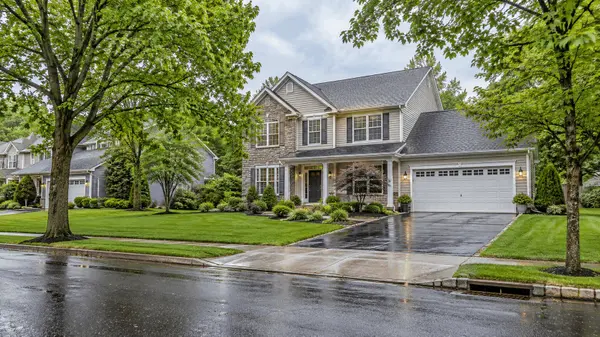
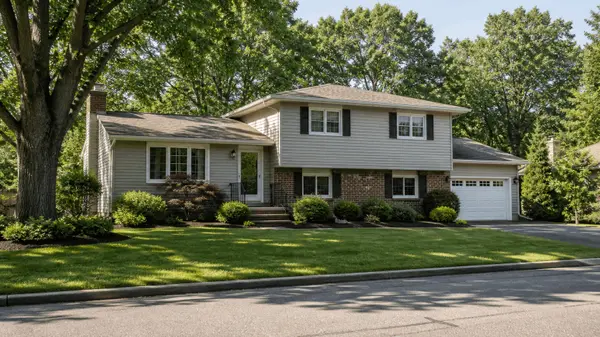
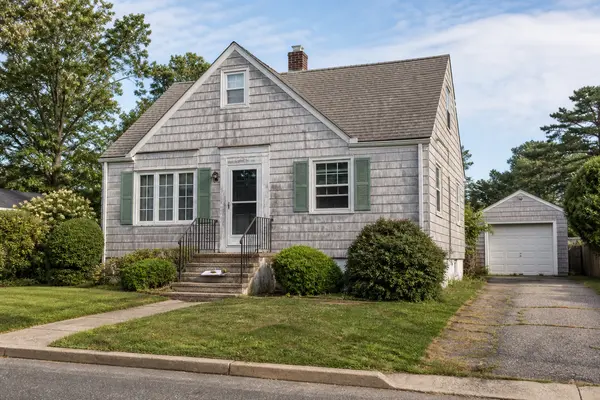
Wall Township includes different lot sizes, road settings, housing styles, and utility arrangements. The curb-appeal plan for a compact neighborhood property may not be the same as the plan for a larger lot or a home on a busier road. Focus on a clean, maintained arrival rather than trying to create a generic “luxury” look.
- Trim vegetation away from walkways, siding, windows, and house numbers.
- Repair unsafe or visibly damaged steps, railings, pavers, gates, and exterior lighting.
- Clean siding, gutters, windows, and the entry when the materials can be cleaned safely.
- Remove broken planters, unused equipment, and excess vehicles from photography areas.
- Make the driveway, mailbox, front door, and primary walkway easy to identify and use.
Walk the approach in daylight and after dark. The objective is accurate presentation and safe access—not hiding traffic, drainage, neighboring uses, or another material condition. Photography should show the property honestly.
3. Refresh kitchens and bathrooms without automatically remodeling
Kitchens and bathrooms attract attention, but a full renovation is not automatically the best pre-sale decision. First evaluate condition, cleanliness, function, consistency, and the likely price range. A targeted plan might include repairing a leaking faucet, replacing a failed light, correcting damaged caulk, touching up cabinets, servicing an appliance, or improving ventilation. It should not assume every older finish is a defect.
Before approving a major project, ask:
- Will the work be completed, inspected, and documented before the intended listing date?
- Does it correct a functional problem or mainly reflect one person’s style?
- Will buyers in the property’s likely range expect this level of finish?
- Could a smaller repair and thorough cleaning solve the visible concern?
- Will the project require zoning, construction, plumbing, electrical, fire, or other review?
Obtain written scopes and use appropriately registered or licensed professionals. New Jersey’s official business guidance explains that home-improvement contractors must register with the Division of Consumer Affairs, while permit requirements depend on the work. Verify credentials and permits rather than relying on a verbal assurance.
4. Improve light, space, and showing readiness
Buyers need to understand room size, storage, circulation, and condition. Remove enough furniture and personal property to make those features visible, but do not stage the home in a way that conceals damage or limits inspection access.
Clean windows and fixtures, replace failed bulbs with consistent appropriate lighting, organize closets without emptying them unnaturally, and create clear walking paths. Touch up obvious wall damage where the existing finish can be matched; repaint only when the overall condition justifies it. Neutral presentation can help buyers see the architecture, but color choice alone does not determine value.
Prepare a showing checklist for pets, alarms, valuables, medications, documents, and access to mechanical areas. Make sure the electrical panel, attic entry, crawl-space access, utility equipment, and other inspection points are reachable when safe. Protect private information before photography and showings.
Use objective, Fair Housing-compliant marketing. Describe the home, lot, improvements, verified location features, and access to public information. Avoid demographic descriptions, school-quality promises, or statements about who should live in the home.
5. Assemble the records buyers will request
A strong seller file can make the transaction easier to evaluate. Depending on the property, collect the current tax bill, survey, permits and approvals, seller disclosures, utility and service information, system ages, maintenance records, warranties, septic or well documentation when applicable, and invoices for material repairs.
If flood exposure, wetlands, an easement, an oil tank, private utilities, solar equipment, an association, or another property-specific issue may apply, involve the appropriate attorney, inspector, engineer, environmental professional, insurer, lender, title company, municipal office, or state agency. Do not use a neighbor’s experience as proof for your address.
Organize the information; do not manufacture certainty. When a record is unavailable, identify what was searched and let your attorney advise how to disclose the gap. Buyers still need independent due diligence, but organized facts can reduce avoidable back-and-forth.
How to decide where your preparation budget belongs
Rank projects by safety, active damage, permit or documentation risk, buyer visibility, time to complete, and cost. Correcting a leak or unsafe step generally deserves attention before decorative upgrades. A professional cleaning and organized records may be more useful than a rushed renovation.
Review active competition through the Jersey Shore property search, but remember that list prices are not closed-sale evidence. Kyle can compare relevant sold properties, current competition, condition, and timing without promising a result. Learn about the approach on the About Kyle page or review Wall Township seller services.
Frequently asked questions
Which improvement adds the most value before selling in Wall Township?
There is no universal answer. Prioritize active defects, safety issues, permit questions, and visible maintenance first. Then compare optional cosmetic work with the home’s condition, likely buyer range, competing properties, cost, and timeline.
Should I renovate my kitchen before listing?
Not automatically. A full renovation may delay the sale or reflect a style the next owner would not choose. Evaluate repairs, cleaning, lighting, hardware, and other targeted work before committing to a major project.
How do I know whether past work needed a permit?
Review available records and contact Wall Township’s Building Department or the appropriate land-use office with the specific project details. Your attorney and qualified contractors can help determine the next step; do not assume based only on the age of the work.
Should I get a pre-listing inspection?
It can be useful when a known condition, older system, or missing record is likely to create uncertainty, but it is not the right choice for every seller. Discuss the scope, disclosure implications, and timing with your agent and attorney before ordering one.
Can Kyle guarantee that preparation work will raise my sale price?
No. No improvement or marketing plan can guarantee a price, appraisal, offer, or timeline. The purpose of preparation is to present verified facts, reduce preventable objections, and position the property appropriately for current conditions.
Get a private 15-minute Wall Township pricing review
Call or text Kyle Pelech at 732-996-7872 to request a private 15-minute pricing and preparation review. Share your timeline, known repairs, recent improvements, and any permit or survey questions so the next steps can be prioritized around your property.
This article provides general real estate information, not legal, construction, engineering, environmental, insurance, appraisal, tax, or permit advice. Verify property-specific questions with the appropriate licensed professional and public agency.
Categories
Recent Posts




Featured Listings
Representing a Bespoke Collection of Austin’s Finest Properties.


REVIEWS